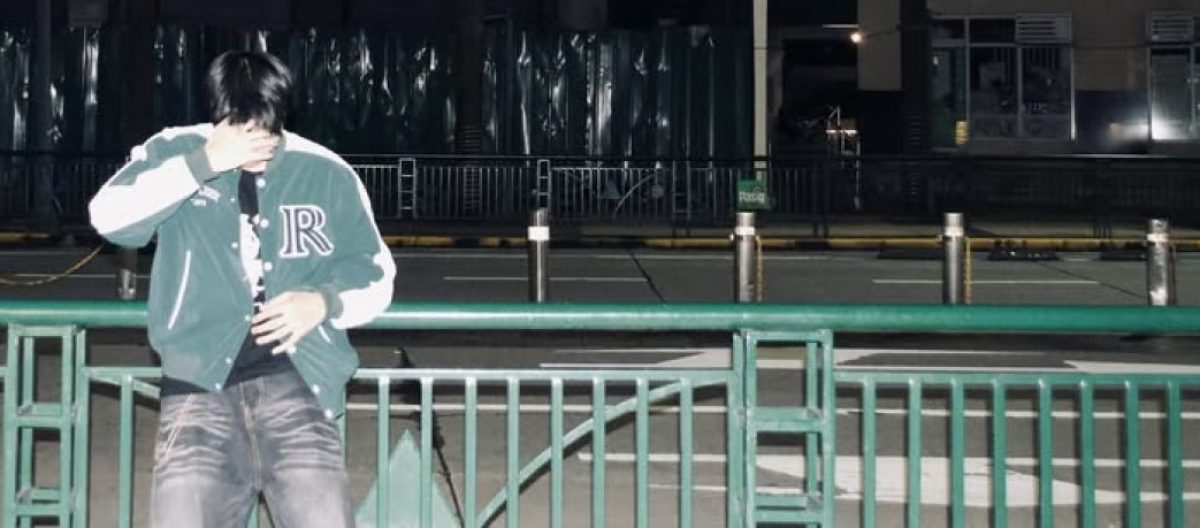
My Autobiography
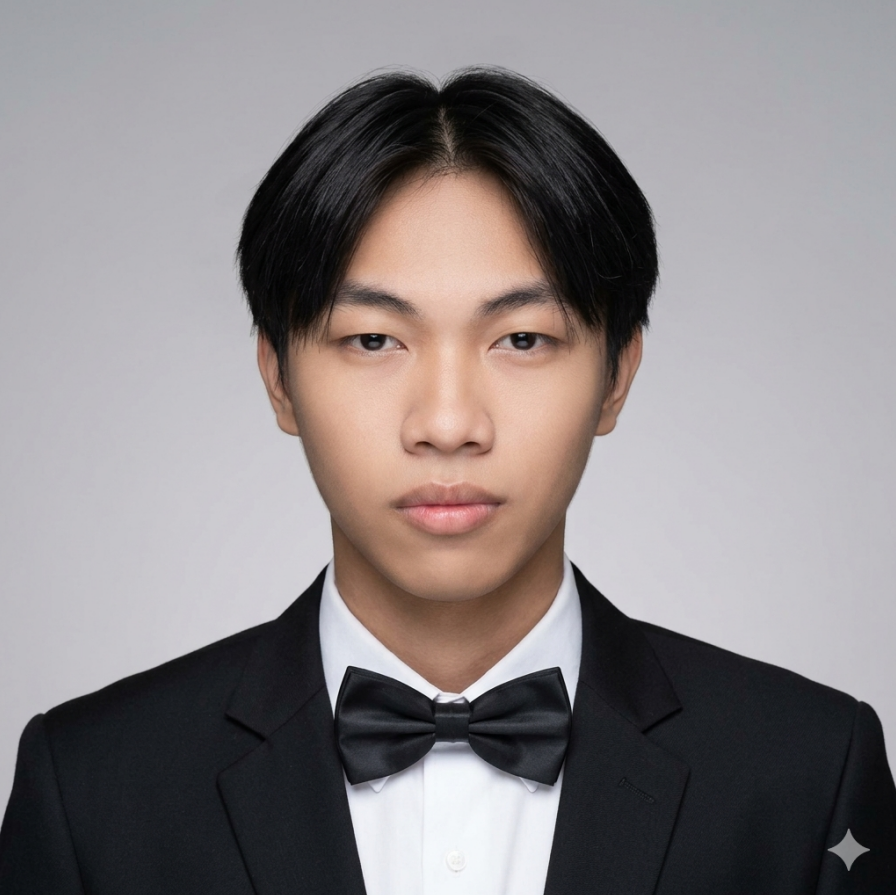
Every story has a beginning, and mine started in the busy, rhythmic atmosphere of a garment factory. My parents were both workers there, surrounded by the hum of sewing machines and the endless flow of fabric. It was in this workplace that they met and fell in love. However, as is the case with many great stories, their path was far from smooth. Their love story was complicated, marked by the pressures of work and the uncertainties of life. When my mom found out she was pregnant with me, the strain became too much, and they separated. It was a period of uncertainty, but the bond of family is hard to break. I was told that not long after, my dad found himself begging my mom for a second chance, desperate to fix what had been broken and to be a father to the child on the way. They reconciled, and that reconciliation paved the way for my arrival into a world. I was born in San Mariano, Isabela on October 2, 2006, and the world immediately tested me from the very start.
Because my parents needed to provide for my future, they made the difficult decision to leave me in the province of Isabela while they returned to the garments in Manila. In those early years, I was raised by my aunt and other relatives. They often joked that I was a “very expensive” baby. This wasn’t because I had a taste for luxury, but because I was a sickly child. My health was fragile, and the costs of my care were a constant burden on my family. Every fever felt like a crisis, and every cough meant a trip to the local clinic. I have flickering, vivid memories of those early days—the view from inside my crib, the feeling of being pushed in a stroller through the dusty roads of our barangay, and the constant presence of my aunt who looked after me with such devotion. I was a late bloomer in some ways; I learned to stand when I was one, though my legs were shaky and unreliable. It wasn’t until I was nearly two years old that I finally mastered the art of walking. But just as I was beginning to explore the world on my own two feet, life took a sharp, unexpected turn toward the hospital.
When I was between three and four years old, a lump appeared on my back. It was a Lipoma, a growth of fatty tissue. While usually benign, for a small, already sickly child, it was a terrifying ordeal. My life shifted from the playgrounds of Isabela to the sterile, cold environment of hospital beds. The smell of disinfectant and the sound of rolling gurneys became my new normal. The financial and emotional strain was so great that my dad even lost his job because of the time he spent caring for me. One memory stands out with painful clarity: I was in a hospital bed with an IV line in my hand. My dad, who could only visit for mere minutes because he was rushing to find ways to support us, turned to leave. Even with the tubes attached to me, I scrambled out of bed and rushed toward him, wanting one last hug. But the elevator doors closed. He was already gone, unable to hear my cries. The day of the surgery remains etched in my mind. I remember the coldness of the wheelchair and the strange bed designed for laying face-down. I remember the sting of the needles as I was injected multiple times. When I finally woke up, the world was hazy. My mom was there, showing me the lump they had removed, saying, “Kitam ajay ni, ajay tay bukol mon” (Look at this, this was your lump). I was so drained I couldn’t speak or move. I overheard the nurses whispering in Tagalog, surprised that I had slept for almost an entire day. That surgery was a turning point—a physical and metaphorical weight lifted from my back.
My education began in Isabela, where I attended Kinder and Grade One. I was surrounded by my cousins and the familiar warmth of the province. There was a brief attempt to move me to Manila for Grade One, but I remember crying hysterically the moment my mom left the classroom. I wasn’t ready to leave the comfort of my home in the north. However, by Grade Two, the move to Manila became permanent. We lived in a condo near where my parents worked. My dad found a job as a security guard at the iconic Luneta Park, and my mom went back to the garments. It was here that my personality really began to take shape. I was a bright child—I knew it, and my teachers knew it—but I was also incredibly lazy. The culprit? Technology. My uncle was an IT professional, and our house was filled with gadgets. I spent hours on his laptop, lost in digital worlds. Ironically, this is how I learned English; between the cartoons on TV and the games I played, I developed a knack for the language. Living in a condo also meant I grew up around a diverse group of people, including foreigner friends who helped sharpen my social skills. But the “computer shop” (comshop) culture eventually took over. After school, I’d go straight to the shop, playing until the sun went down. This lifestyle eventually caught up with me. By Grade Five, my vision had deteriorated so badly from the screens that I had to get thick glasses. Even then, I was careless, breaking or losing them within two years.
When I reached 9th and 10th grade, the world ground to a halt. The COVID-19 pandemic hit, and like everyone else, I was confined to our home. For some, this was a time for self-reflection, but for a gamer like me, it was the ultimate distraction. During those crucial years of Junior High School, my life was defined by the blue light of a screen. From the moment I woke up until the early hours of the morning, I was gaming. The transition to online classes made it all too easy to keep a game running in the background while a teacher spoke on Zoom. This “gaming loop” became a lifestyle that stretched far beyond the lockdown. Even as I progressed through Senior High and now as I am nearing my 3rd year of College, that urge to play remains a constant. It is a daily battle to prioritize my lectures over my digital quests.
Despite the heavy gaming during the pandemic, something shifted when I entered Senior High School. I think I finally tired of my own excuses. I looked at my parents, who had worked in the garments and stood guard at Luneta just to give me a future, and I felt a spark of responsibility. For the first time in my life, I actually started reviewing. I put the controller down long enough to focus on the books. When the results came in and I saw a general average of 91, I couldn’t contain myself. I didn’t just tell my parents; I shouted it so everyone could hear. For the first time, I wasn’t just “bright”—I was accomplished. I had finally proven to myself that the “expensive little guy” who survived a back tumor and a 75% average could actually excel.
Looking back at my life so far, I see a journey of transformation. I went from a sickly infant in Isabela to a healthy young man in the city. I went from a failing student to an honor student, all while navigating the addictive pull of the gaming world and the arrival of my baby sister. I am Jayverson. I am a survivor, a gamer, a fashion enthusiast, and a big brother. As I approach my 3rd year of college, I am determined to keep pushing forward, making sure that the “lazy boy” stays in the past and the “bright man” continues to lead the way.